AC Schnitzer Is Gone, and So Is the World That Made It
Posted: Sat Mar 28, 2026 10:22 pm
What makes the end of AC Schnitzer feel so heavy is not only what it was at the end, but what it once represented at its height, and how closely that world still brushes against my own relationship with BMW. It does not read like a simple business story, because it carries the weight of something more personal and more atmospheric, something that lives between culture and memory. It recalls a very specific Germany, one shaped by autobahns that demanded composure at speed, by quiet industrial roads, and by workshops that did not advertise what they knew because they did not need to. For someone who lives with these cars, who walks up to one each day and understands it not as an object but as a presence, the loss feels closer, as if something that has always been part of the background has suddenly gone quiet.
There is a certain rhythm that comes with owning a BMW, a familiarity that builds over time without ever becoming routine. You approach the car, settle into it, and there is always that brief, almost unspoken moment where everything aligns, where the machine feels predictable in the best sense, not because it is simple, but because it is coherent. Even now, in modern cars shaped as much by software as by engineering, that feeling still exists, though it arrives more filtered than before. And maybe that is why the disappearance of a company like AC Schnitzer carries the weight it does, because it reminds you that there was a time when that feeling did not end at the factory gate, when the car in front of you was not the final expression of itself, but only the beginning of what it could become.
The Golden Era
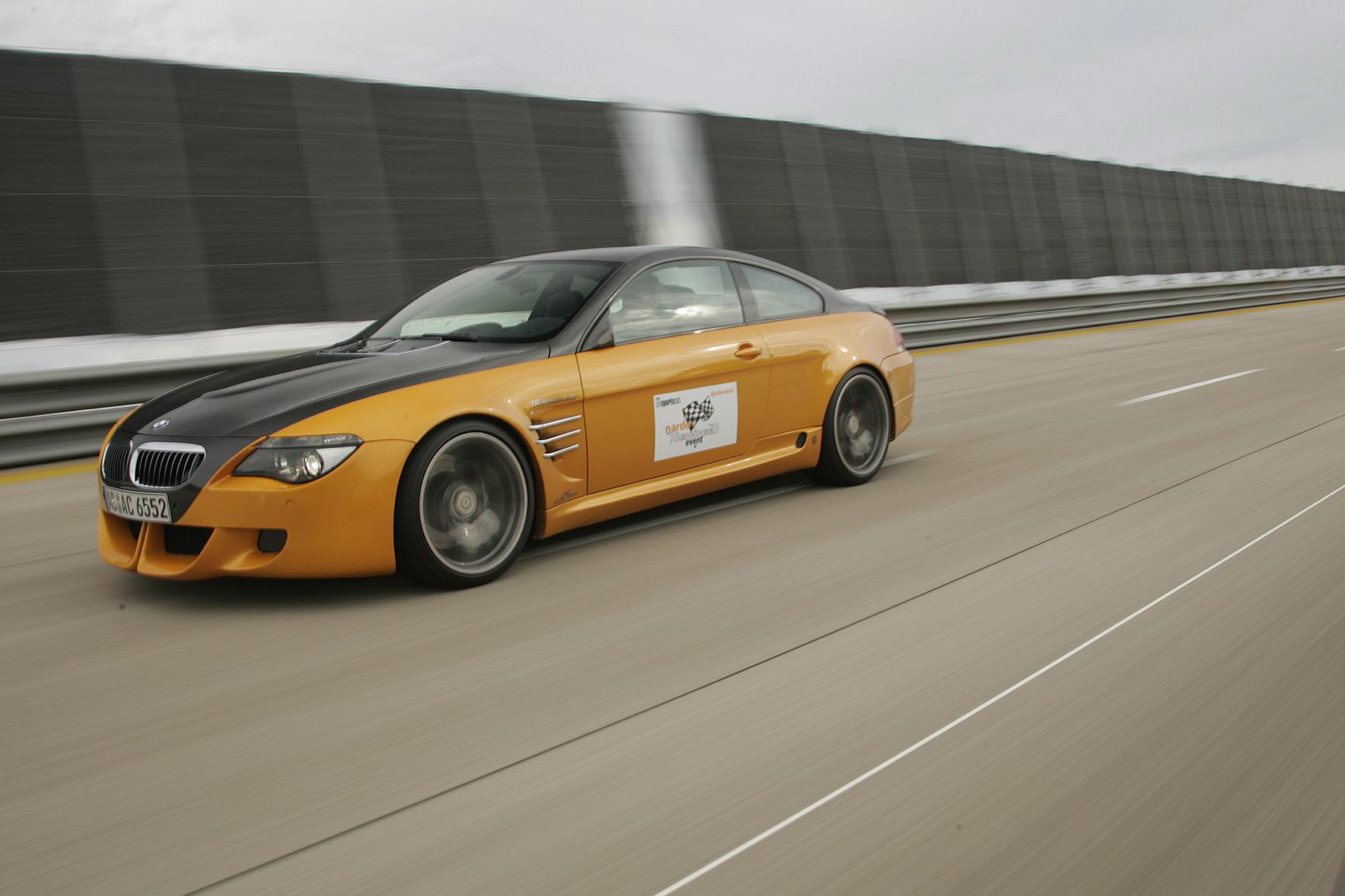
If there were a golden era for domestic German tuners, it was centered on the 1990s, though its roots stretch into the late 1980s and its influence lingers into the early 2000s. That period now feels almost impossibly balanced, as if every condition required for it to exist came together at once. BMW was building cars of rare clarity and durability, machines that felt complete yet open, advanced yet understandable. Electronics had begun to shape the future, but they had not yet sealed the car away from those who wanted to work on it. Regulations existed, but they had not yet slowed development into something heavy and distant. Most importantly, there was still a strong belief among drivers that a car, no matter how refined, was not finished when it left the factory.
Out of that belief grew a distinctly German tuning culture, one that feels very far from the present. Germany did not produce tuners in the casual sense. It produced houses with identity and philosophy. ALPINA, Hartge, and AC Schnitzer approached BMW not as something to be altered for attention, but as something to be completed. The cars that emerged from their workshops did not reject their origins. They refined them. They carried the same DNA, but expressed with greater precision, greater intent, and a kind of quiet confidence that defined the era.
AC Schnitzer: Engineering Over Spectacle

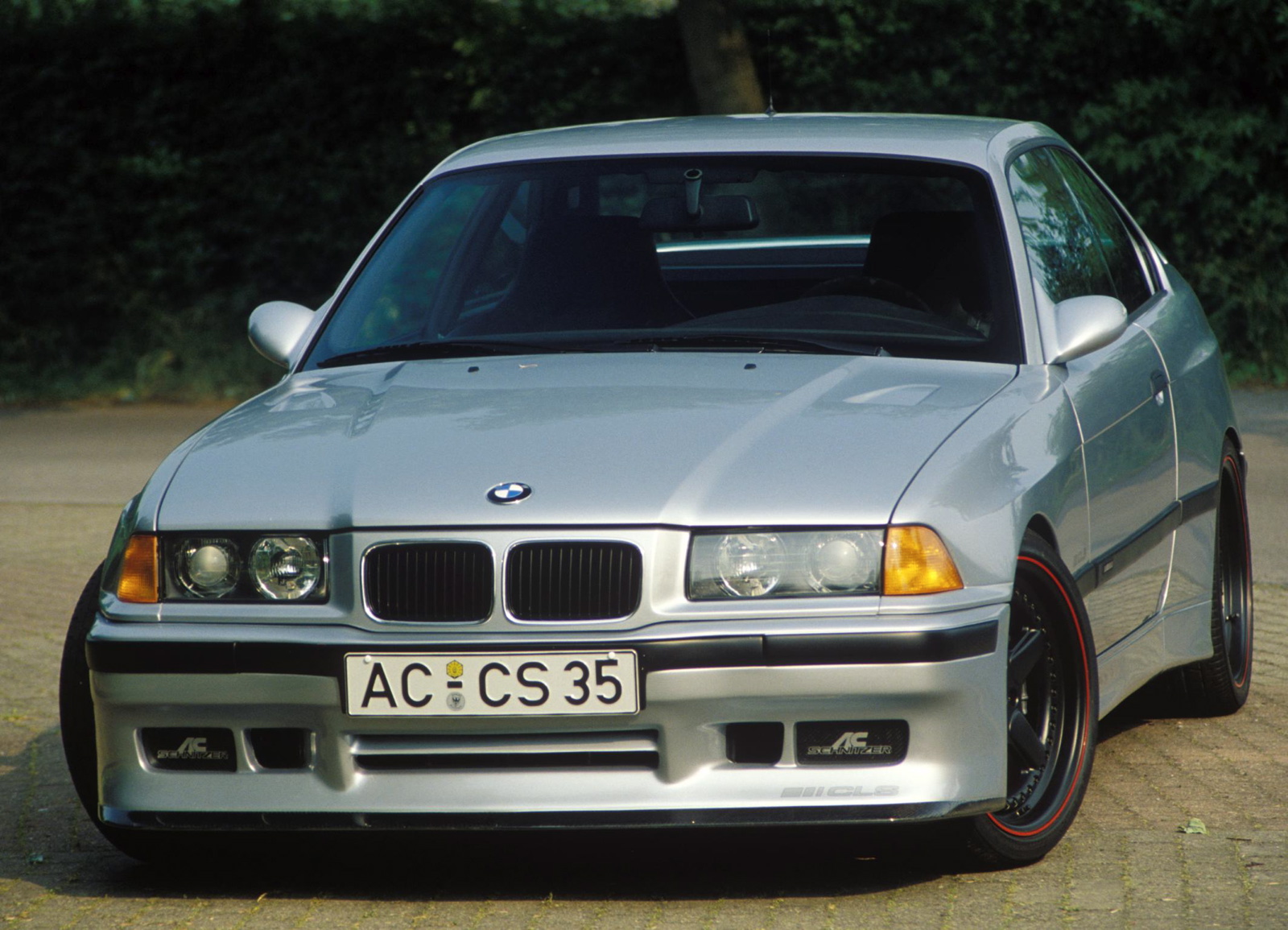
AC Schnitzer entered this world in 1987 in Aachen, drawing directly from the racing lineage of Schnitzer Motorsport, and from the beginning it carried a tone that set it apart. Its early work, including the ACS7 based on the E32 7 Series and the ACS3 Sport built on the E30 M3, made clear that this would be a company grounded in engineering rather than spectacle. The changes it introduced were rarely dramatic on their own, yet together they transformed the car into something more resolved. Suspensions were recalibrated with care. Power was increased in a way that felt integrated rather than imposed. Aerodynamic elements appeared not as decoration, but as necessity, as if they had always belonged there.
Even its more ambitious creations held to that discipline. The V8 Roadster, placing a 4.4-liter V8 into the compact Z3, could have been chaotic in lesser hands, but here it remained controlled, almost composed, a clear extension of the same philosophy taken to its outer edge. Across decades, the company expanded its work, building thousands of components, refining BMWs across generations, and carrying its motorsport DNA into both road cars and competition, all while maintaining that balance between restraint and ambition that defined the best of German tuning culture.
The Cars That Made It Possible

That culture depended on the nature of the cars themselves. BMW platforms of the 1990s, from the E30 through the E39, offered a rare kind of openness. They were sophisticated enough to reward deep engineering, yet transparent enough to allow skilled people to understand and reshape them without obstruction. A tuner could work with the car, not against it, adjusting its character in ways that felt tangible and immediate. This created a relationship between manufacturer, tuner, and driver that was dynamic, almost conversational, with each contributing to the final identity of the machine.
It is this relationship that has quietly disappeared. Modern BMWs are, in every measurable sense, better cars. They are faster, safer, more capable, more refined. Yet they are also more closed, governed by software systems that resist intervention and by regulatory frameworks that stretch development into long, expensive cycles. By the time a tuner can bring a product to market, the moment has often passed. At the same time, BMW itself has absorbed much of what tuners once offered, providing performance packages and factory upgrades that narrow the space for independent interpretation.
A Different Kind of Ownership
For someone living with a modern BMW, this shift is felt not as a loss of quality, but as a change in relationship. The car arrives already resolved, already optimized, leaving little room to imagine what it could become. You experience it, you rely on it, you appreciate it, but you do not shape it in the same way. The sense of participation that once defined ownership has given way to something more complete, but also more distant.
And that is why the end of AC Schnitzer feels like more than it should. It marks the fading of that open space between what a car is and what it could be. The golden era, with the 1990s at its center, depended on that space. It depended on cars that invited understanding, on engineers who had the freedom to reinterpret them, and on drivers who cared enough to see the difference. It created a quiet partnership, one that made owning a BMW feel like being part of an ongoing process rather than the end of one.
What Remains
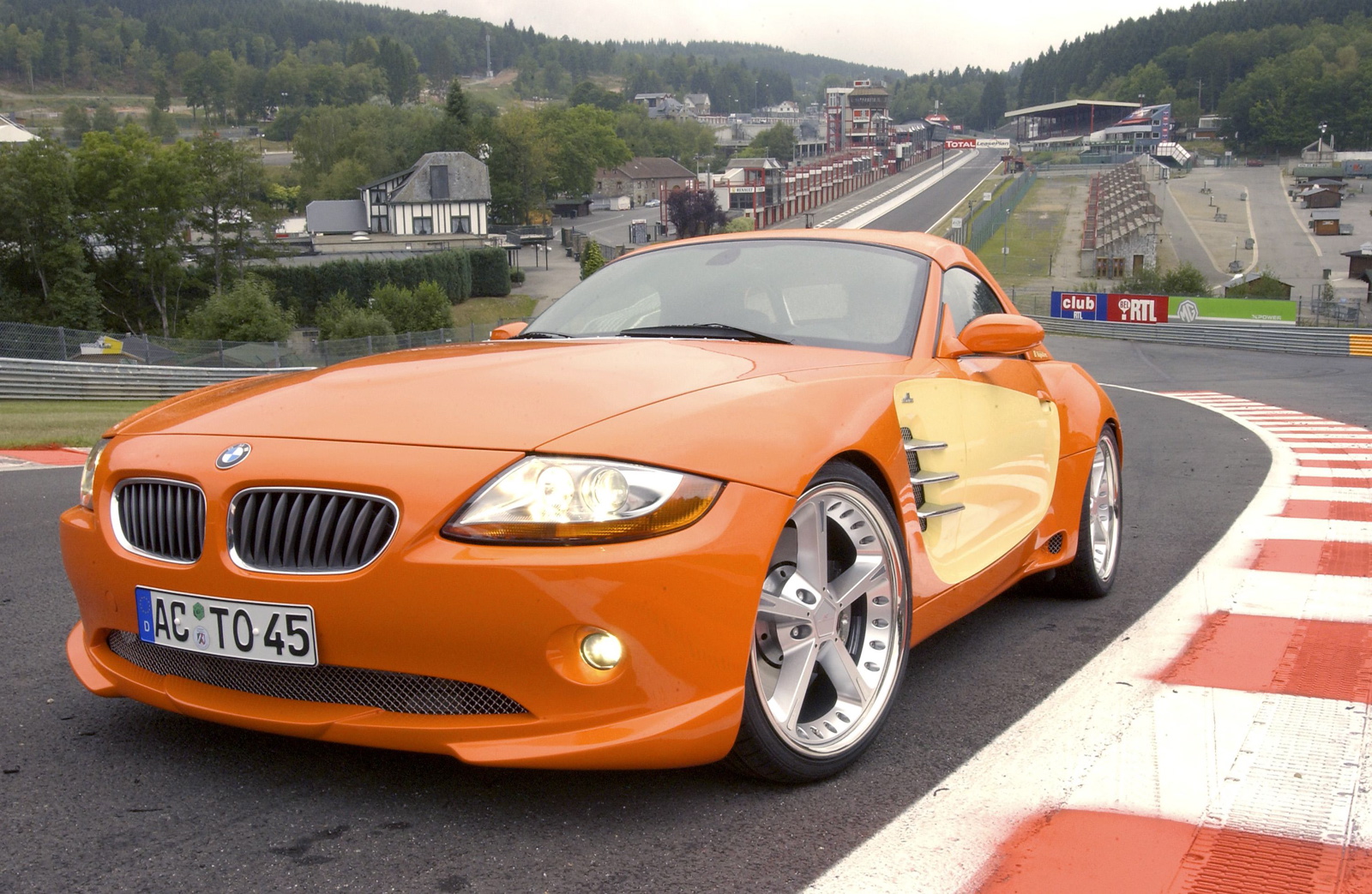
Now that partnership has thinned. The workshops have grown quiet. The cars have become more complete, more self-contained. And yet, standing next to a BMW today, even a modern one, there is still a trace of that older idea, something subtle but persistent. Beneath the software, beneath the refinement, there is still a machine with character, something that once invited people to take it apart, understand it, and make it their own.
That is the legacy AC Schnitzer leaves behind. Not only a history of cars, or a catalog of parts, but a way of seeing. It taught people to look at a BMW and understand that it was not the final word, that somewhere, in a quiet corner of Germany, someone might already be imagining a better version of it. Losing that idea feels like losing a part of the experience itself, a shift from a world where cars were shaped by many hands to one where they arrive already complete, asking less of you, and perhaps offering less in return.
First published by https://www.bmwblog.com
Source: https://www.bmwblog.com/2026/03/28/ac-s ... uning-era/